
The research in our lab aims to determine how phenotypic plasticity and evolutionary adaptation interact, and how these interactions drive species’ and ecosystems’ resilience to anthropogenic change.
We study natural populations of tropical and temperate butterflies, combining empirical approaches from behavioural ecology, developmental biology and evolutionary genomics, and integrate these with phylogenetic, biogeographic and ecological datasets.
Phenotypic plasticity: How does development respond to the environment?
Phenotypic plasticity, where individuals express different phenotypes from the same genome in response to environmental variation, is a common adaptation to life in fluctuating environments. We study how butterflies adjust morphology, behaviour and life history in response to two kinds of variation: stress (e.g. food limitation, infection) and environmental cues that predict seasonal changes (e.g. temperature).
We analyse how environmental signals are integrated by systemic hormones such as Insulin and Ecdysteroids, and how these hormones in turn steer development of alternative phenotypes via tissue-specific gene regulation (e.g. chromatin accessibility, transcription). While parts of these developmental cascades are taxon-specific, others are highly conserved. How have how ‘old’ environment-sensing networks been redeployed for new roles? We also test how existing cascades may aid resilience to new challenges, or conversely misfire in novel environments.
Evolutionary adaptation: How does plasticity evolve? How does plasticity affect evolution?
We use natural populations and species to test how selection in the wild drives evolution of plasticity. Specifically, we aim to uncover how the developmental cascades that regulate environmental responses have been rewired in response to selection in seasonal and non-seasonal habitats, or in climates with different levels of environmental predictability. By studying how these cascades have evolved in the past, we hope to understand how they might evolve under future environmental change.
The genetic and regulatory details of how plasticity is regulated can bias the direction and rates of evolutionary change possible. For instance, genetic correlations between traits can limit their independent evolution, and these constraints can in some cases be explained by shared hormonal systems. We use comparative approaches to test how selection has navigated constraints across different evolutionary timescales.
A comparative approach also provides an excellent framework to test the roles of contingency and convergence in evolution. We combine phylogenetics, comparative genomics and molecular evolution to uncover involvement of common vs. lineage-specific pathways in the repeated evolution of reproductive plasticity.
Combining population genomics with gene expression provides the opportunity to systematically test how adaptive capacity depends on role in regulating plasticity (e.g. network position, or expression vs. splicing), and how this differs across timescales.
Predicting resilience to anthropogenic change: How important are plasticity, evolution and genetics?
Species’ and ecosystems resilience to anthropogenic change depend not only on projected changes in climatic niches, but also on ability of individuals to buffer environments (plasticity) and on capacity of populations to adapt to new conditions (evolution). For instance, seasonal plasticity requires reliable cues, but climate change is disrupting these, leading to mismatches and necessitating rapid evolutionary change in plasticity. However, these adaptive processes are rarely incorporated in predictions of biodiversity under climate change, because quantifying their importance in a cost-effective manner is challenging. To overcome this obstacle and improve predictive models at the geographic and phylogenetic scale demanded by climate change, we need new tools that are cheap, fast, and scalable. Developing these is a major long-term goal of our lab.
For instance, we aim to map adaptive capacity across species’ range, alongside ecological data and climate projections, in order to produce spatial models of future climate vulnerability.
A more general goal of our lab is to put genome analysis in the service of biodiversity and conservation, recognising the importance of genetic variation for nature’s contribution to people, and contributing to development of new methods for conservation genomics of wild species.
Some of the research projects in our lab
- Epigenetic and transcriptional regulation of transgenerational stress responses in the Glanville fritillary butterfly. A mother’s environmental experience can affect offspring’s phenotype, adaptive if correlations in local environmental quality across different times of the year are high.
- Alternative splicing in seasonal plasticity and the potential for adaptation to environmental change.
- Genomic and ecological drivers of repeated evolution of phenotypic plasticity in a butterfly radiation. We use comparative genomics, phylogenetics, molecular evolution and ecological data to test the role of convergence and contingency in evolution of reproductive plasticity.
- Identifying loci underlying natural genetic variation in lifespan in the wild.
- What maintains genetic variation in wild populations? Testing how spatiotemporal environmental variability maintains polymorphism via balancing selection.
- Testing the role of seasonal predictability in structuring adaptive variation across a continental gradient in Bicyclus anynana. Are populations from predictable environments more vulnerable to climate change?
- Population genomics of seasonal migration in Amazonian butterflies.
- Developing genomic resources for non-model species.
Model systems
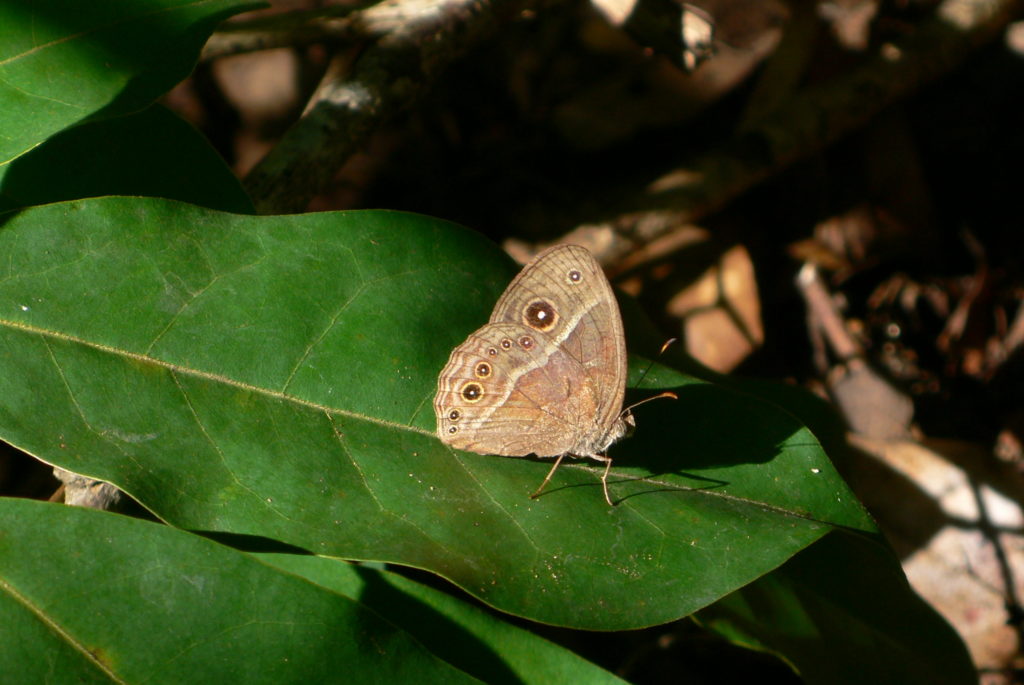
Bicyclus butterflies, broadly distributed throughout the savannahs and forests of Africa, are well-known for seasonal plasticity, where they tune wing pattern, behaviour and lifespan to the seasonal environment.
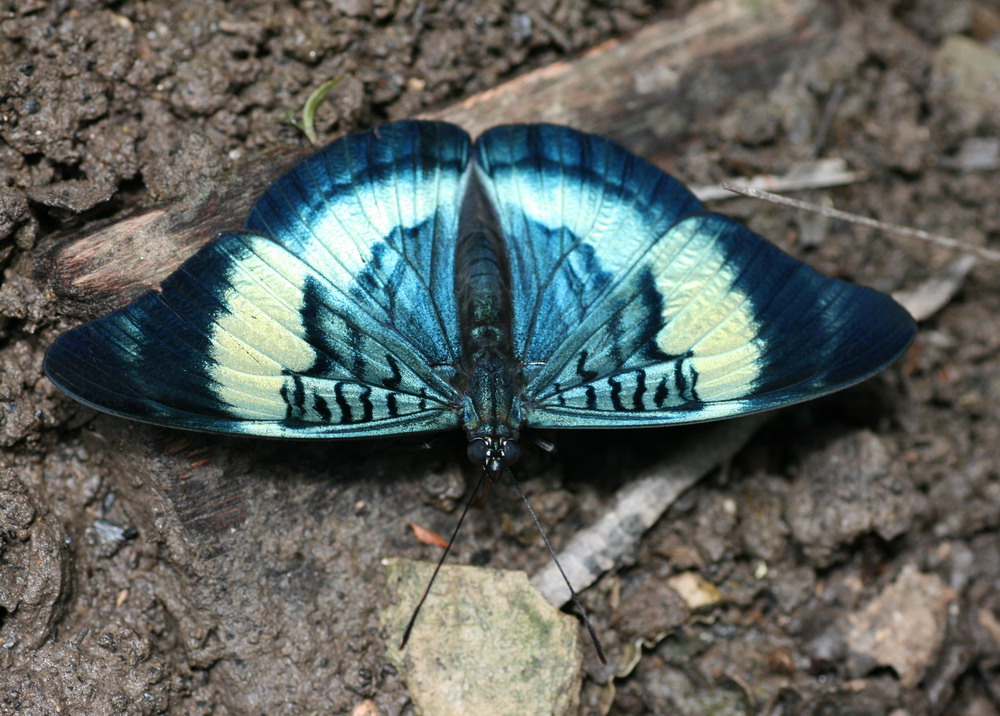
Panacea prola is a widespread Neotropical butterfly, which has recently been discovered to be migratory in the Amazon in Peru.
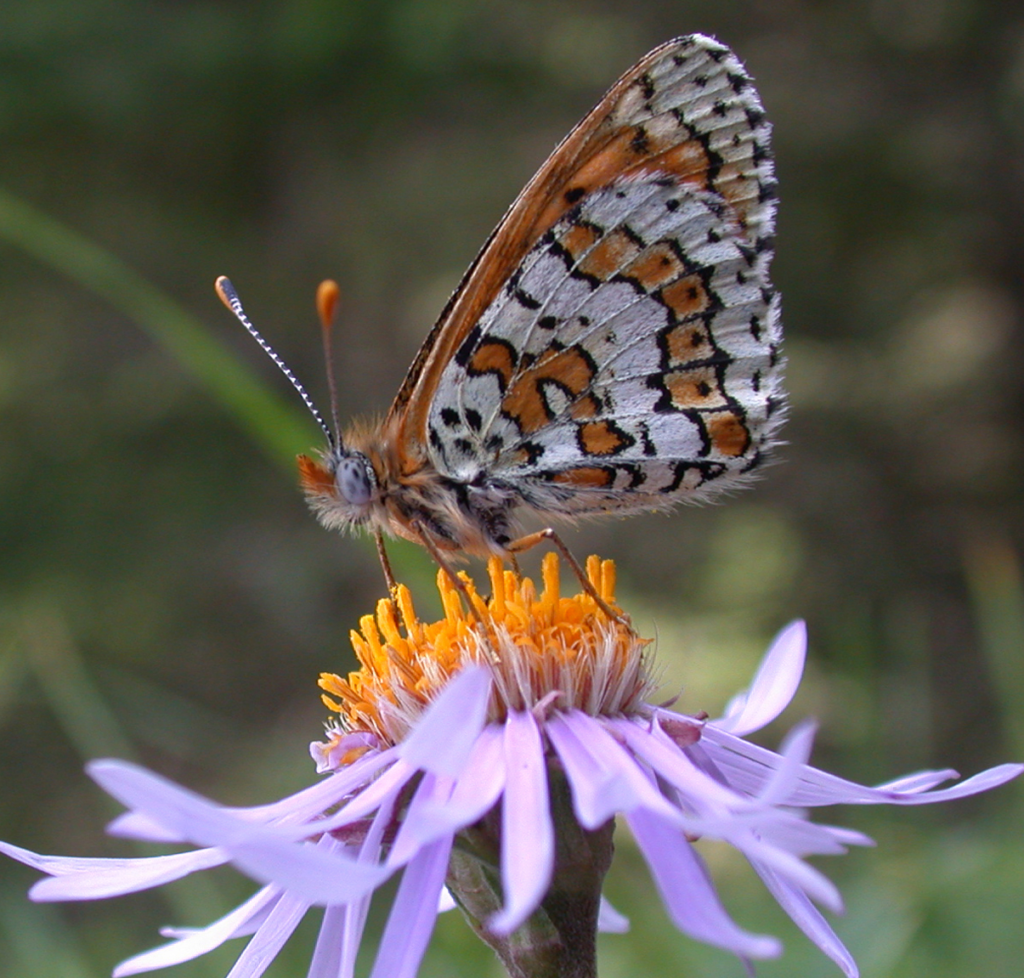
a classic model in ecology and evolution, and its life history, ecology and population dynamics have been studied in great detail for over two decades on the Åland islands archipelago in Finland.

Melanitis leda occurs in Africa, Asia and Australia and displays seasonal plasticity in wing pattern, with cryptic wing patterns in the dry season.
Funding
Our work is generously funded by
- Queen Mary University of London
- UKRI Future Leaders Fellowship (UK)
- BBSRC (UK)
- British Ecological Society (UK)
- National Science Centre (Poland)
- NERC Environmental Omics Facility at the Centre for Genomic Research, Liverpool
- University of Liverpool
- Marie Skłodowska Curie Actions (EU)
